Nightwear and loungewear pieces, by use


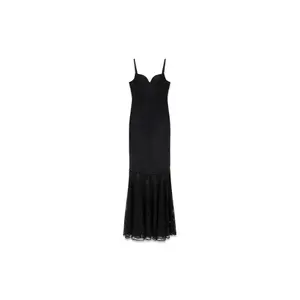

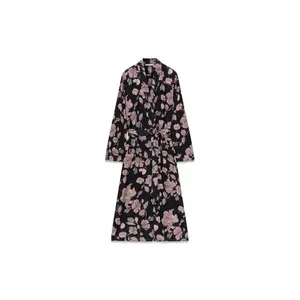


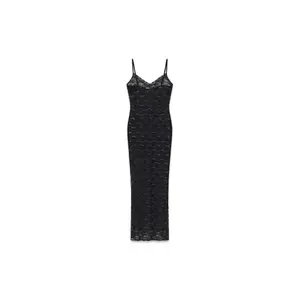
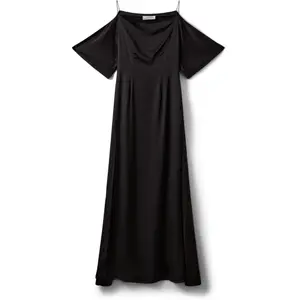


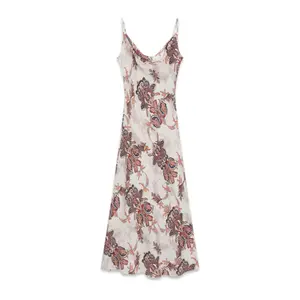
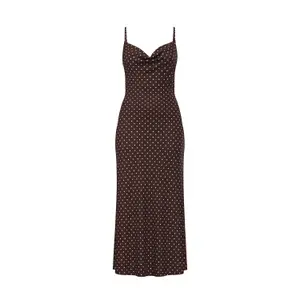


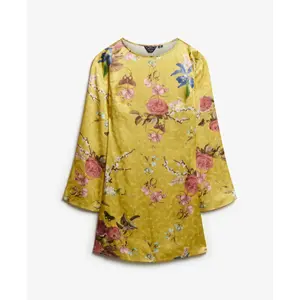


Two-piece pyjamas, nightie, nightdress, dressing gown, kimono, robe, plus separate pajama tops and bottoms: the items we wear to bed as well as those we keep at home.
Nightwear is divided into two distinct categories. Those worn for sleeping, such as pyjamas, nighties, and nightshirts, chosen for their fabric and comfort. And those worn on top, like dressing gowns, bathrobes, and kimonos, chosen for warmth or absorbency.
Pyjamas, nighties, and nightshirts for sleeping
The pyjama set is the most common women's nightwear because it allows for separating the top and bottom, creating various outfits; that's why we also sell tops and bottoms separately. The nightie, short and sleeveless, is perfect for warm nights. The nightshirt is longer and better suited for cooler rooms; lace on a women's nightshirt is seen as more of a garment than underwear. In all three cases, the fabric of the nightwear takes precedence over the style.
Dressing gowns and bathrobes, more for indoors than for night
The dressing gown is made of terry or waffle fabric and is used for drying off after a bath, while the bathrobe is made of non-absorbent material and keeps you warm, with the kimono being a more lightweight indoor garment. These three pieces look similar at first glance but serve different purposes. Men's nightwear follows exactly the same distinction.
The four categories of nightwear and loungewear
Women's pyjamas remain the most popular because they allow for mixing and matching: that's why pyjama tops and bottoms are also sold separately, and a night wardrobe can be put together from just a few pieces. Nighties and nightshirts offer the simplicity of a single piece, whether in summer or under a thick duvet. Finally, dressing gowns and kimonos are not worn in bed but around the house: terry for drying after a bath, and fleece or satin for warmth indoors.