Women's knickers: every cut, from thongs to high-waisted shorts


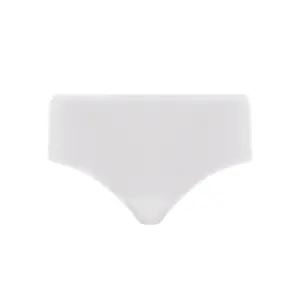
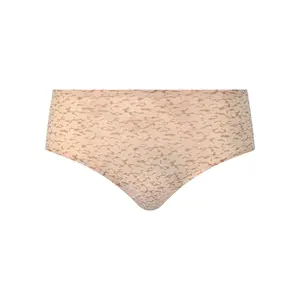


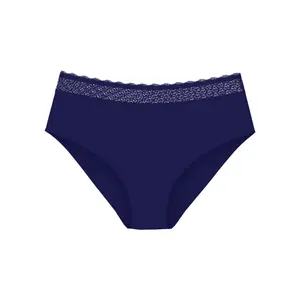


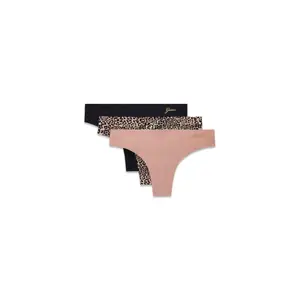


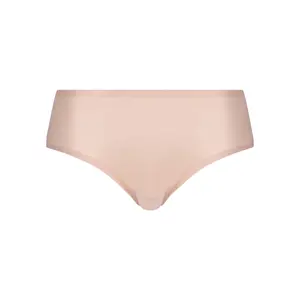
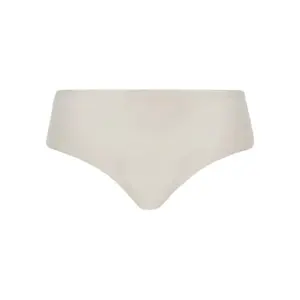
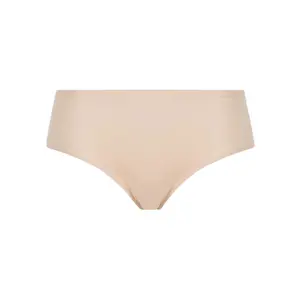
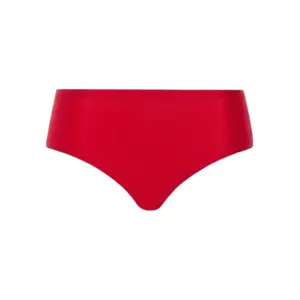


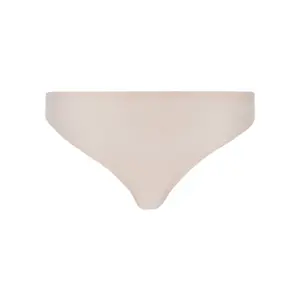
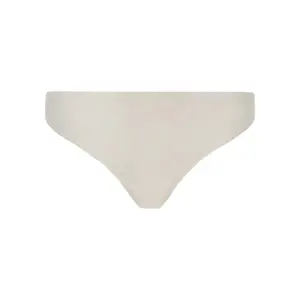
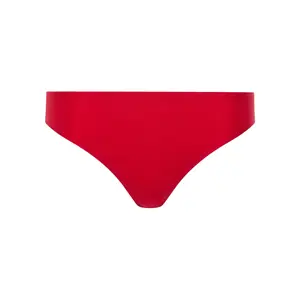
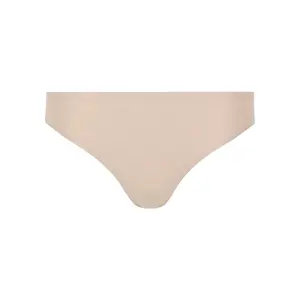
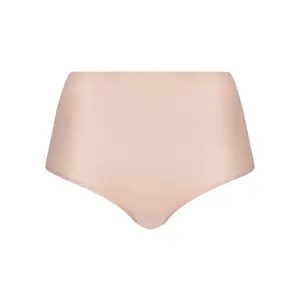


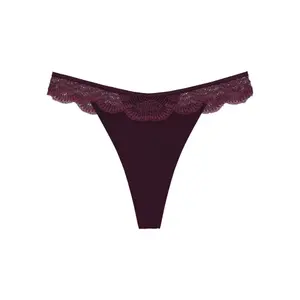


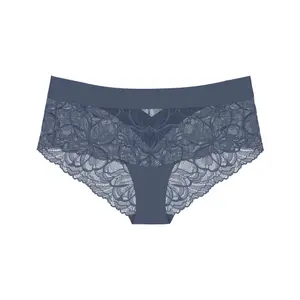


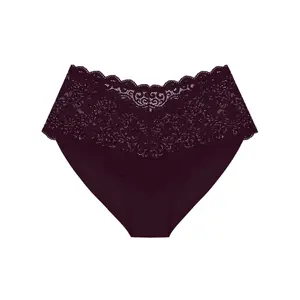
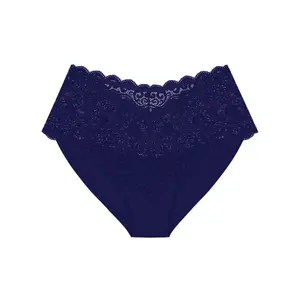
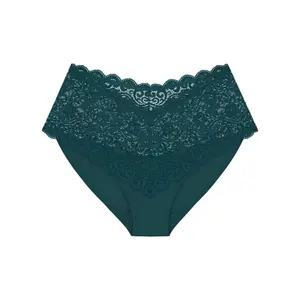


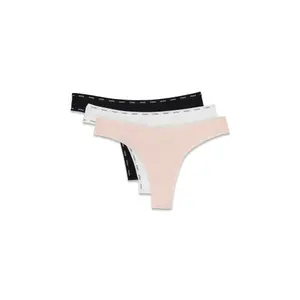
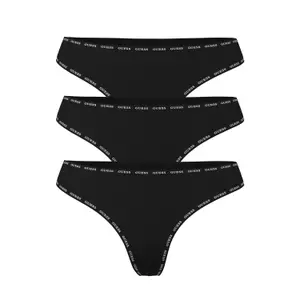
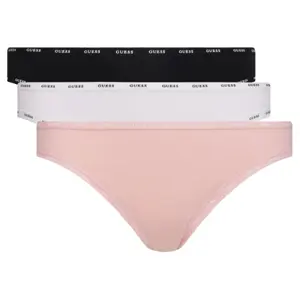
Briefs, slips, tangas, strings, high-waisted briefs, menstrual pants, and shaping shorts: our Briefs category covers all styles, in cotton, lace, and seamless microfibre. Sizes range from small to plus sizes, featuring brands where underwear is their main focus, Sloggi, Triumph, Pomm'Poire, Huit, and Brigitte Bardot.
The cuts of women's knickers are classified by back coverage: the shorty fully covers the bottom and goes down the thigh, the brief provides coverage while being cheeky on the sides, the thong reduces back coverage without becoming a string, and the string has no back seam at all. A seamless knicker, cut with a laser, leaves no outline under thin clothing.
Women's knicker cuts: shorty, brief, thong and string
Each type of knicker has its place, it’s just a matter of figuring out which one suits you best for everyday wear. The shorty is the most stable under a skirt because it doesn't ride up when you walk. The thong is the most requested compromise to avoid visible lines under trousers while still providing coverage. The string is the most discreet under thin and tight materials, but it has to fit just right: if it’s too small, it digs in, and if it’s too big, it twists. The height at the waist, it, should be chosen based on the garment worn on top rather than body shape.
What are the most comfortable women's knickers?
The comfort of a women's knicker depends on three factors, and the cut is just the first. The fabric is crucial: a cotton or modal women’s knicker allows the skin to breathe, while a closed microfiber retains moisture. Then, the finishes: a wide, flat elastic won't dig into the thigh, unlike a thin elastic under tension. Finally, the size, which is the most common cause of discomfort: a knicker that's too small rolls under the butt and makes marks, while one that's too large bunches up. On paper, the shorty and the brief in cotton come out on top, but a well-cut thong in the right size can be just as forgettable.
The high-waisted knicker, and why it has made a comeback
The high-waisted women's knicker is no longer just a generational trend. Sitting above the navel, it slims the waist, doesn't roll when you sit down, and works well under high-waisted jeans as well as on its own. It's also the best cut after childbirth or surgery as it doesn't leave marks on the stomach. You can find it today in both plain cotton and lace.
The seamless knicker, the only real answer to visible lines
This is the most common question about knickers, and the answer boils down to two words: the finish. A seamless women's knicker, cut with a laser from stretch microfibre, leaves no outline because it has neither hem nor added elastic. This is what you want underneath a flowy dress or light trousers. In contrast, a cotton knicker with standard elastics will always show some lines, regardless of the cut. The string solves the issue at the back but not on the sides: the real solution is the cut, not just the shape.
Menstrual knicker and shaping knicker
The menstrual knicker has changed everything in just a few years. It includes several absorbent layers and a waterproof membrane, is machine washable, and is primarily chosen based on absorption level rather than style: light flow for occasional use or at the end of the cycle, heavy flow for overnight wear. It can replace disposable products or complement them, depending on each person’s comfort.
The shaping garment and shaping knicker work through compression: they smooth the silhouette under a fitted dress. They are selected based on the area of action, either just the belly or both belly and hips, and importantly, in your actual size, as a too-small shaping garment will always rise up.
The fabric of a women's knicker matters as much as the cut
Cotton remains the most common choice for everyday wear because it breathes and withstands high-temperature washing. Lace women's knickers and microfiber models cover more dressed-up or discreet uses. Each knicker brand in our selection has built its reputation on this specific item, from Sloggi and Triumph to Pomm'Poire, Huit and Brigitte Bardot, with ranges available in all sizes rather than just the central sizes.