Women's bras: find the shape and size that suits you


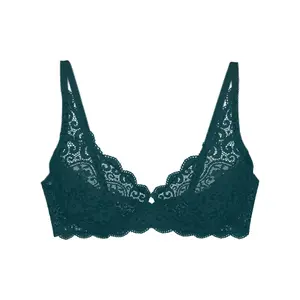
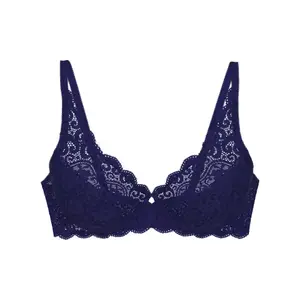


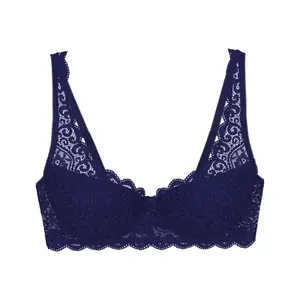
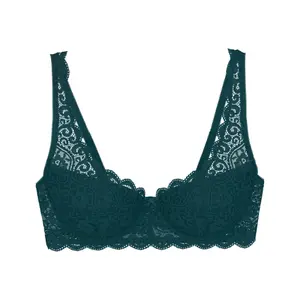


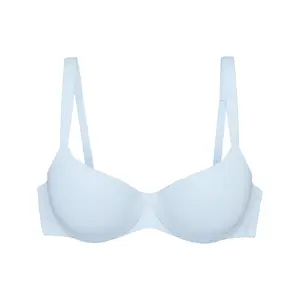

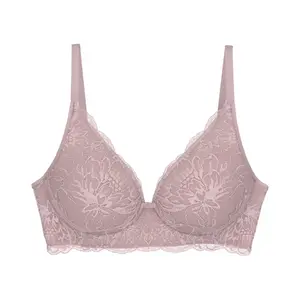


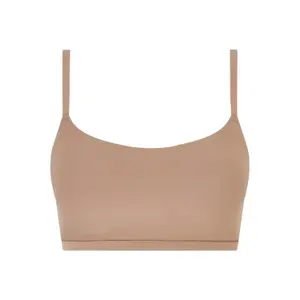
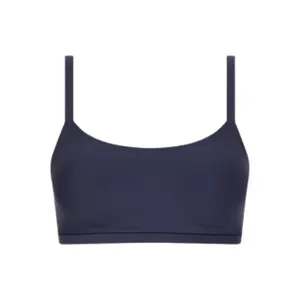
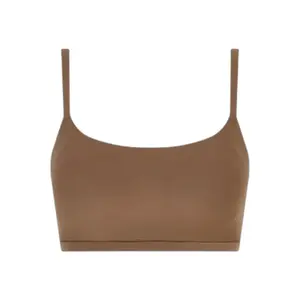


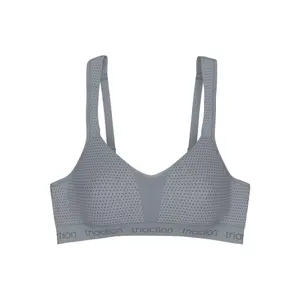


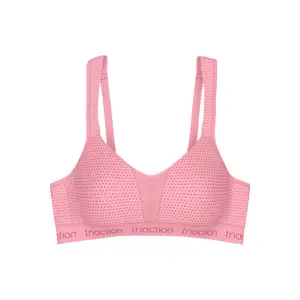
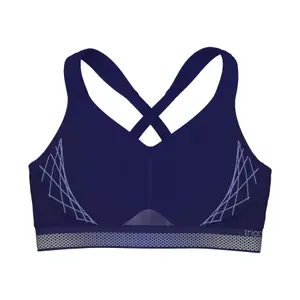

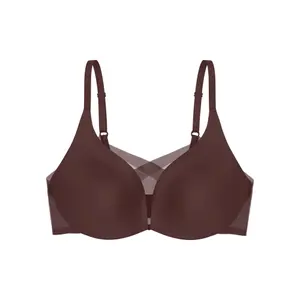


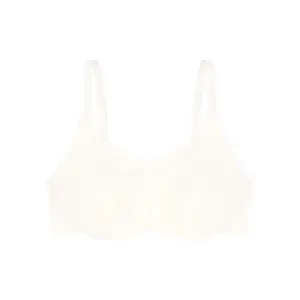


Balcony, moulded, push-up, bandeau, triangle or underwired bras: our Bras category brings together all shapes, from cup A to cup L, in standard sizes as well as plus sizes. It also includes nursing bras, styles that are invisible under fine clothing, and sports bras, from brands like Triumph, Anita, Freya, Sloggi, Passionata, Wacoal or Elomi.
The size of a women's bra combines two measurements: the band size, expressed as 80, 85, 90 and above, and the depth of the cup, expressed in letters from A to L. These two values are not independent: for the same breast volume, a 90C and an 85D offer the same cup size. This is what is known as sister sizes, and it explains why the same body can wear two different sizes depending on the brand.
Each style of women's bra corresponds to a breast type
Each type of bra meets a specific expectation, and the question that comes up most often is not "which style is the prettiest" but "which one will keep me supported all day." A well-chosen women's bra is judged on three points: the band should stay horizontal without riding up, the cups should envelop the breasts without compressing or gaping, and the straps should only support a small part of the hold. If you constantly tighten your straps, it's almost never the cup that's the issue, but rather the band that's too loose.
Push-up, full coverage, or balconette bras depending on breast type
Smaller breasts gain lift with a push-up bra or a padded style, which reshape the neckline without constraint. Generous breasts find support in a full coverage bra, whose cups distribute the weight, or in a minimiser bra that slims the silhouette under a blouse. The balconette lifts and reveals the upper part of the breast, ideal under a square neckline. The triangle and bralette, on the other hand, offer flexibility: little or no support, but lots of comfort.
Underwire or wireless bras, two answers to two needs
The wireless bra has long been associated with a lack of support. This is no longer true: current models compensate with double-lined cups and wide bands, making them the best choice for long days, sensitive breasts, and post-pregnancy. The underwire, on the other hand, retains the edge when you're looking for a defined projection and a sculpted neckline. Both styles are valid; they simply serve different needs.
Which women's bra to choose after 50?
Breasts change with age: tissue relaxes, volume shifts downwards, and skin becomes more sensitive to friction. Three things then matter more. Cups that are full coverage and made of several pieces, which lift and support instead of just containing. A wide band that distributes the weight without digging in. And adjustable straps that are spaced out on the back to prevent slipping with the slightest movement. This is also the age when it’s best to measure yourself again: the band size often shifts by one size without you noticing, which explains most discomfort.
What are the most comfortable bras?
Comfort doesn’t come from a particular shape but from three construction details. A wide and well-fitted band that provides the bulk of support. Flat seams or no seams under the cup, where the skin rubs the most. And breathable materials, cotton or breathable microfiber, rather than closed polyester. Under these conditions, a wired model can be more comfortable than a wireless one, and the reverse can also be true: it’s the fit that matters, not the presence of an underwire.
Bra size: from cup A to cup L
The practical consequence is that you need to measure, not guess. Two tape measurements are enough: one just under the breasts, parallel to the ground, and the other at the peak of the nipple. These two numbers, and their difference, give the bra size, not the clothing size. A women's bra size should be checked once a year: the band size often follows weight changes and usually shifts by one size without one realizing.
Our cups range from A to L and beyond, covering both small breasts and deep cups that most brands stop offering at D. The most useful correspondence markers are:
- A band size of 68 to 72 cm corresponds to an 85, 73 to 77 cm to a 90, and 78 to 82 cm to a 95.
- The cup letter comes from the difference between the bust and band measurements: about 13 cm for an A, 15 cm for a B, 17 cm for a C, then two centimetres per letter.
- If the band rides up at the back, go down a band size and up a cup letter.
A women's bra for every occasion
The wardrobe is not just about everyday wear. The strapless bra and bandeau bra cater to bare shoulders, the backless bra for low back dresses, and the invisible bra for fine fabrics where nothing should show. For sports, a women's sports bra is chosen by impact level rather than by cup size: light support for yoga, strong support for running, with the sports bra remaining the most common style. And for pregnancy and breastfeeding, the nursing bra adds opening cups and stretchy materials that adapt to changes in volume: it's the style a pregnant woman seeks when her band size changes before her cup size.
What bra for sagging or heavy breasts
This is the most frequently asked question after that of size, and the answer is the same in both cases: a full coverage cup made of several pieces, with a seam under the breast. It’s this seam that lifts the volume, unlike a molded cup made from a single piece that only contains. Three other points matter for heavy or sagging breasts: a wide and multi-hook back that bears the load, as it's the band and not the straps that take the weight, wider and spaced straps, and a wire that fully encircles the breast up to under the arm. The balconette and push-up do the opposite: they transfer all the weight to a narrow band and the straps, which can lead to discomfort by the end of the day.
The bra color to wear under a white top
The answer is counter-intuitive, which is why it keeps coming up: under a white top, you shouldn’t wear white. A white bra creates a sharp contrast with the skin and shows through the fabric, especially in daylight. The right color is that of your skin, nude, beige, caramel or brown depending on your complexion: it blends in with the body and disappears. Black remains visible under fine fabric, even thick materials. This rule applies to all light colors, not just white.
Brands with the deepest bras
Each bra brand in our selection is chosen based on its work on fit: Triumph, Anita, Freya, Sloggi, Passionata, Wacoal and Elomi. What sets them apart is not just the style: they are brands that build complete size ranges, with women's large size bras designed as such and not just as stretched sizes from a standard pattern. This depth allows finding the same shape in several cup sizes and switching styles without starting from scratch on sizing. The most detailed models, with visible lace and coordinated sets, are found on the sexy lingerie side.