Bikini tops: buy the top in your own size
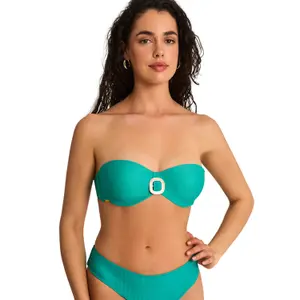
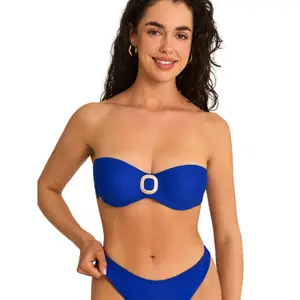
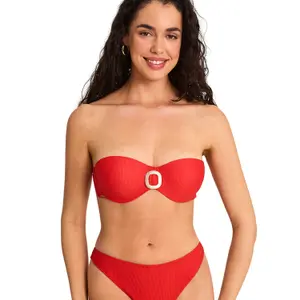
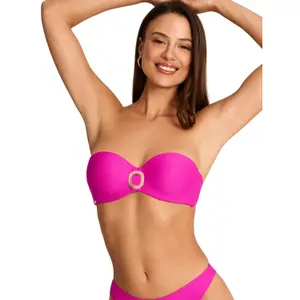
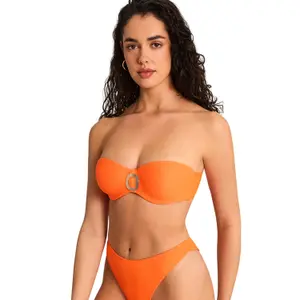
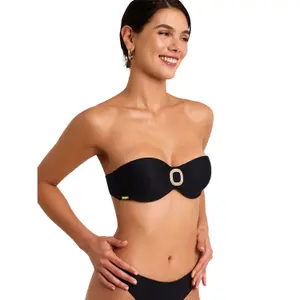
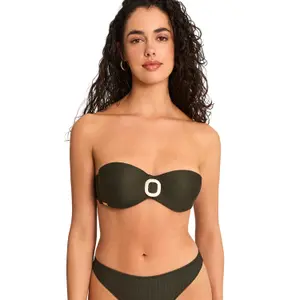
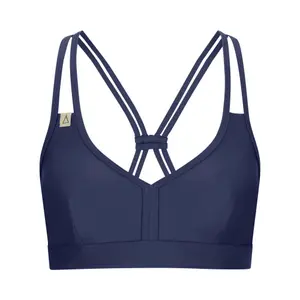
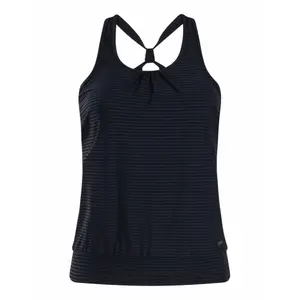
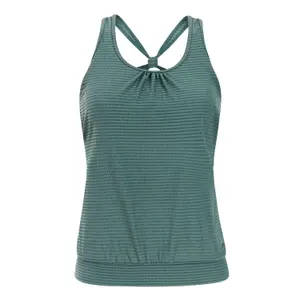
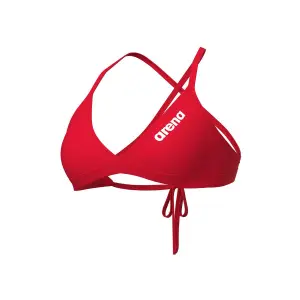
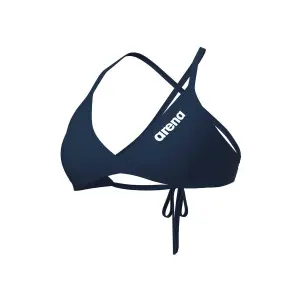
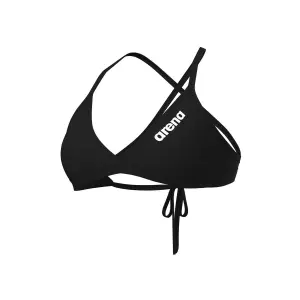
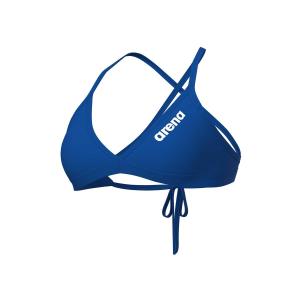
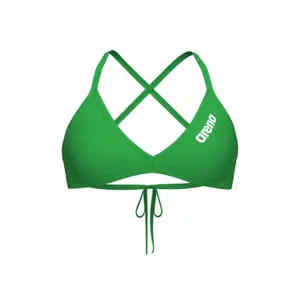
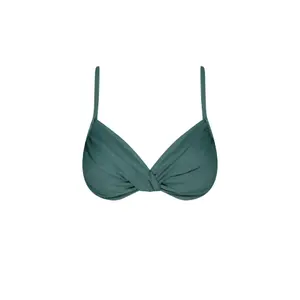
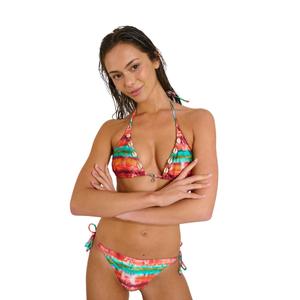
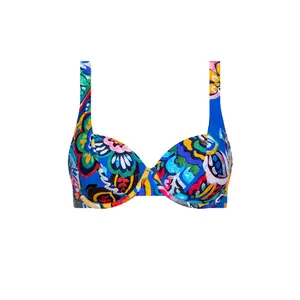
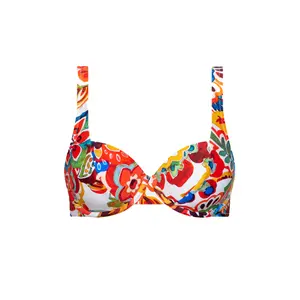
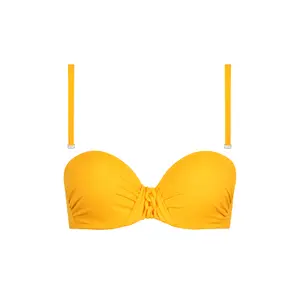
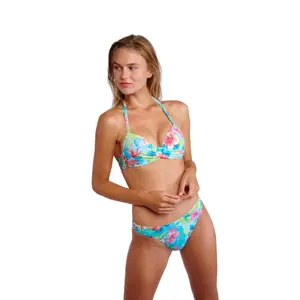
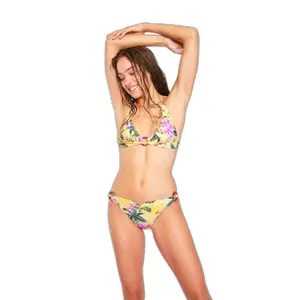
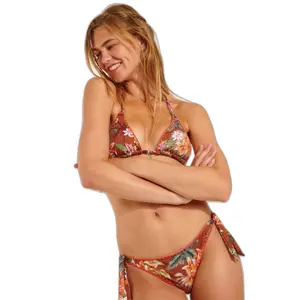
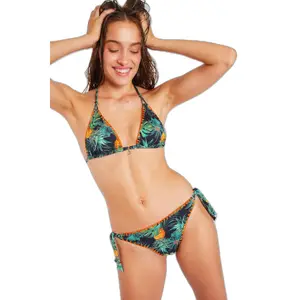
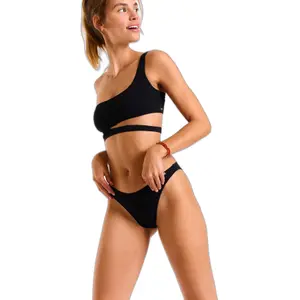
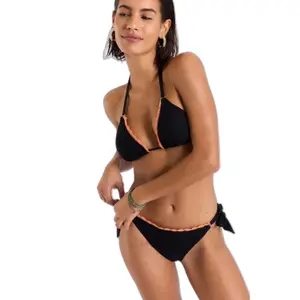
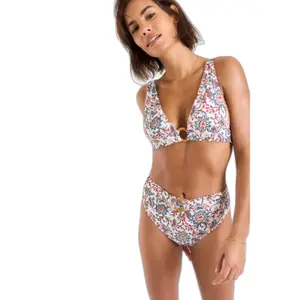
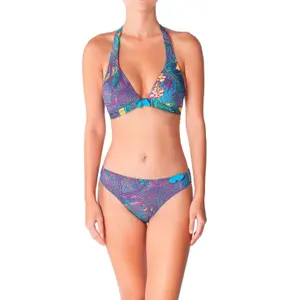
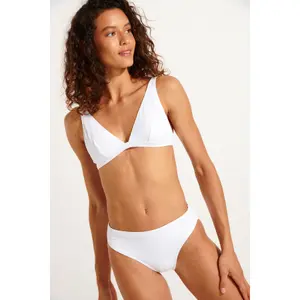
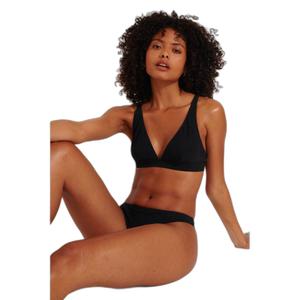
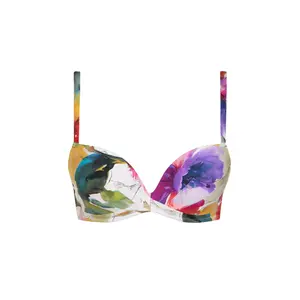
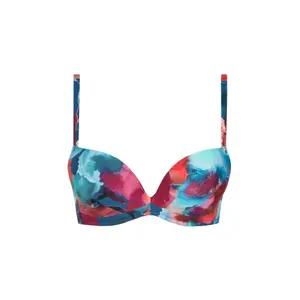
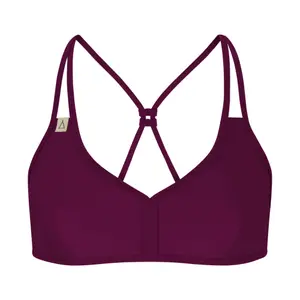
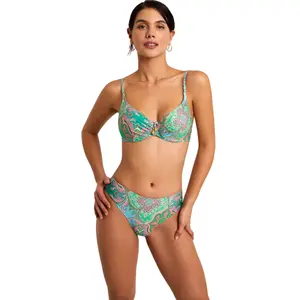
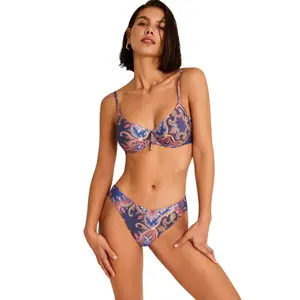
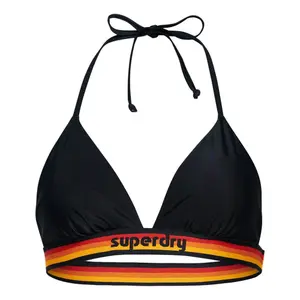
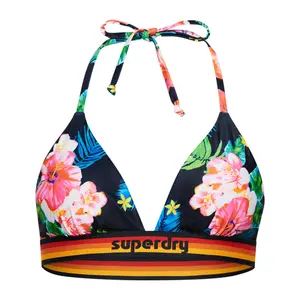
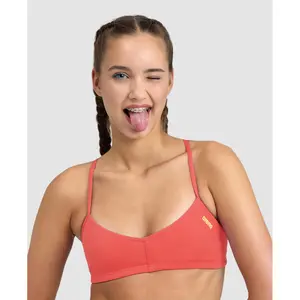
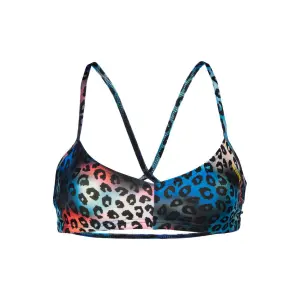
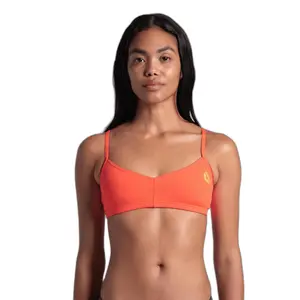
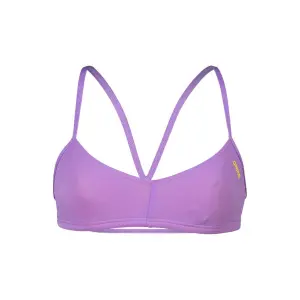
Bikini top triangle, bandeau, balconette or full coverage, with or without underwire, sold separately from the bottom: to create a two-piece that fits your actual bust size.
Buying a bikini top separately solves a problem that pre-matched sets never do: a bust measurement and a hip measurement don’t always fall into the same size. This is especially true beyond a C cup, where the one-size-fits-all set inevitably makes compromises. That’s why women’s bikini tops are increasingly sold individually.
Which bikini top shape to choose
The triangle, adjustable with ties at the neck and back, fits well but provides no support: it’s suitable up to a B cup. The strapless bikini top exposes the shoulders and avoids tan lines, but needs side boning to stay in place. The balconette lifts and rounds, with wide-set straps. Finally, the full coverage is the only bikini top that can really support a large bust, featuring underwire, moulded cups, and a wide, hook and eye back.
The bikini top for larger busts
Three elements are non-negotiable beyond a D cup. An underwire, which shapes the cup and supports the volume when wet, at which point the fabric relaxes. Straps that are at least one and a half centimetres wide, adjustable, with the back anchoring near the shoulder blades rather than on the edge of the shoulder. And a hook and eye closure at the back, rather than a simple knot, which is the only way to allow for a stable fit. The tops sold in numbered sizes with cups, rather than S, M, L, are the only ones that properly address this need.
Matching a bikini top and bottom
There’s no rule that you have to mix and match from the same line. A black bikini top goes with any bottom, which is why it’s so popular. Otherwise, a printed top with a plain bottom balances a narrow-shouldered silhouette, while a plain top with a patterned bottom does the opposite. The only useful rule is to stay within the same fabric family: a matte top with a shiny bottom creates a visual break at the waist.