Bustiers, corsets and basques: define the waist and bust
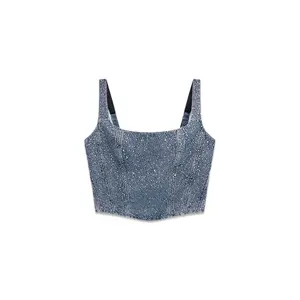

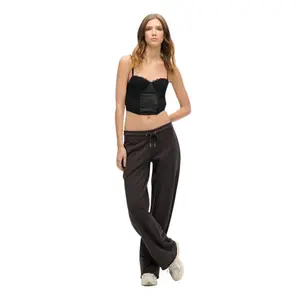

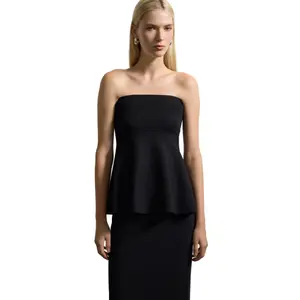
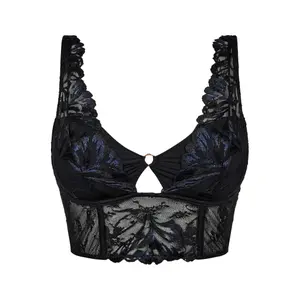
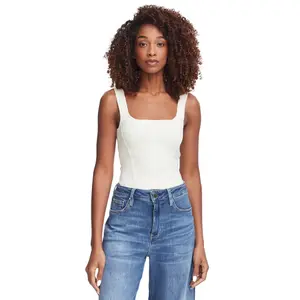

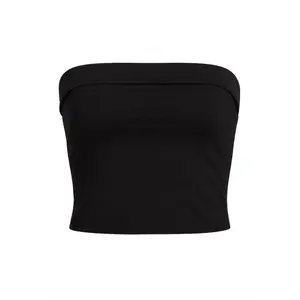
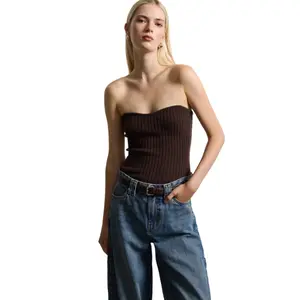
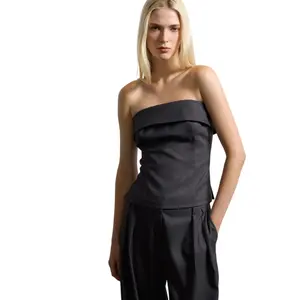
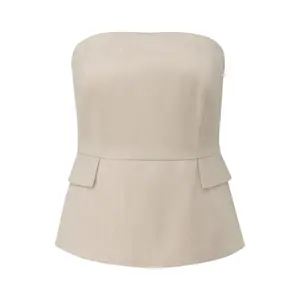


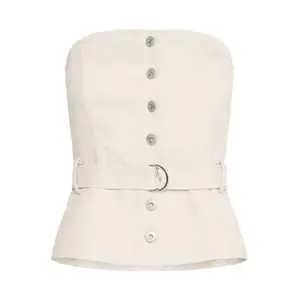


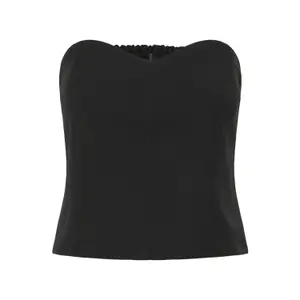


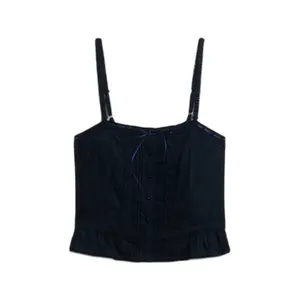
Underwired bustier to wear under an off-the-shoulder dress, laced corset that defines the waist, long girdle with suspenders: structured pieces that hold in place by their design and not by straps.
Three pieces stand out for their length and rigidity. The bustier stops just under the bust or at the waist and remains flexible. The women's corset reaches down to the hips and is tightened with lacing or rigid boning. The basque keeps this length while adding suspenders. From the most wearable to the most constricting, the order is always the same for a woman: bustier, basque, corset.
Women's bustier, corset or basque: which one for which occasion
The bustier is the most discreet and the easiest to wear: under a strapless dress or a wedding dress, it acts as a bra and disappears. The women’s corset has become a complete clothing piece, worn visibly over a shirt or high-waisted trousers, and the women's corset dress continues this trend. In black, a women’s corset goes with everything, which explains the dominance of this colour in the segment. The basque, on the other hand, is part of a complete set, with non-adhesive hosiery and suspenders, rather than being for everyday use.
How does a women's bustier stay in place
Three elements come together, and the absence of just one is enough to make it slip down. The side boning, which prevents the piece from twisting. A silicone band on the inside of the upper edge, which sticks to the skin. And most importantly, a tighter fit than a regular bra: the band should be tightened one notch tighter, sometimes a full turn further below the back. For fuller busts, look for a model with integrated underwire cups rather than just a simple stretch tube.
The corset in plus sizes
This is the most poorly served segment of the market, and for a technical reason: a plus size corset requires a rethought boning structure and a distribution of tension over a wider area, otherwise it rolls at the waist and digs in under the arms. The successful models combine an integrated underwire cup and a back with multiple rows of hooks allowing for size adjustments independently from the bust.