Lingerie pieces that go beyond everyday underwear


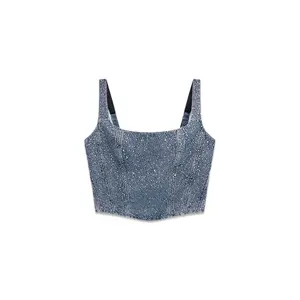


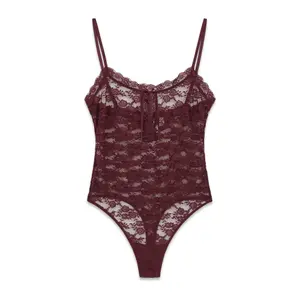
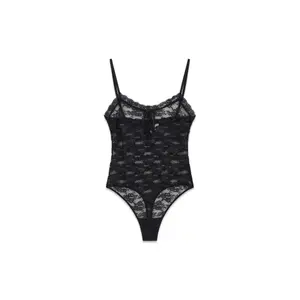
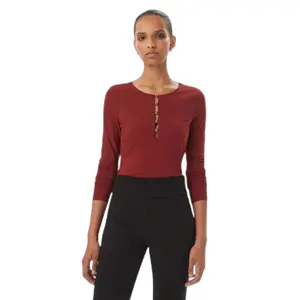
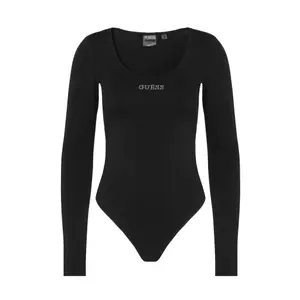
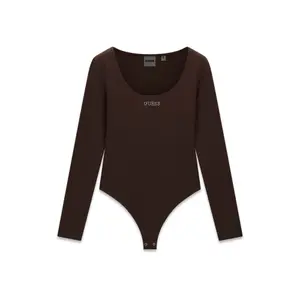
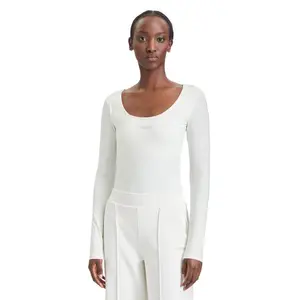


Body, bustier, corset, suspender belt, and garter: five pieces built around the same idea, relying on their structure rather than straps.
These lingerie pieces have in common that they go beyond just being underwear. The bodysuit can be worn as a top, the bustier and the corset hold up by their structure and are happy to be shown off, the suspender belt completes an outfit. All require the same fit as a bra.
Bodysuit, bustier, and corset: the lingerie pieces that stand alone
The technical common point is that the support is distributed over the surface rather than on the shoulders. A bustier holds through lateral boning and a wide back band, a corset adds lacing, a bodysuit spreads the tension from the bust to the crotch. This design requires a tighter fit than a regular bra, and this is the source of most disappointments when buying.
Which lingerie piece for which occasion
The bodysuit is the only lingerie piece that is suitable for everyday wear: tucked into trousers, it replaces a top. The bustier responds to bare shoulders, whether for an evening out or a wedding dress. The corset has become a stand-alone garment, worn visibly. The suspender belt, finally, often sold as part of a 3-piece lingerie set with the bra and thong, is only worn with non-adhesive stockings and is chosen based on hip measurements.
The three families of lingerie pieces
The women's bodysuit is now worn as a top and is part of everyday wear as well as lingerie. Bustiers and corsets hold without straps, using boning and a wide back band, and are worn for an evening out or under a wedding dress. The women's suspender belt, finally, only makes sense with non-adhesive stockings: it is the only one of the three that requires another piece to work.