Swimwear for men: shorts for the beach, briefs for swimming


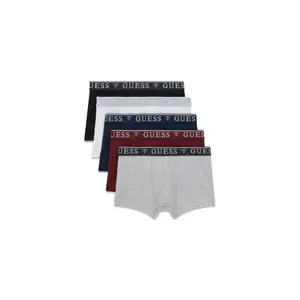
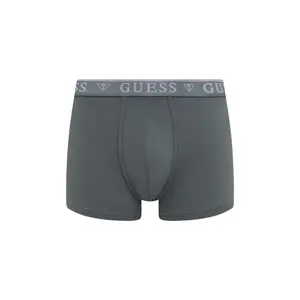


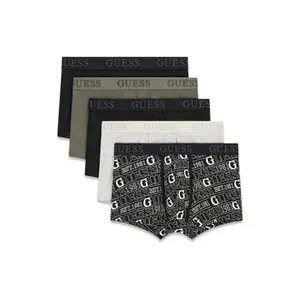




Long swim shorts worn on the hips, fitted swim briefs for swimming, intermediate swim boxers: three styles that cater to different uses, beach or pool.
A men's swimsuit is primarily chosen based on its intended use, which boils down to a simple question: beach or pool. The boardshort, long and worn on the hips, is designed for the beach and all-day wear. The swim brief, short and tight-fitting, is made for swimming. The swim boxer is the middle ground, fitted but covering the upper thigh. These three styles cover the essentials of the men's swimsuit market.
The men's boardshort for the beach
Its length, usually above the knee, makes it the long men's swimsuit par excellence, and its loose cut is something you can wear all day, even out of the water. Two technical details matter. The mesh lining, which provides support and speeds up drying, is missing on some models where the shorts are worn over a brief. And the drawstring waistband, which needs to stay in place once wet: a wide flat cord holds better than a round lace, which can slip. A men's boardshort made from recycled polyester generally dries faster than a blended cotton model. On luxury men's swimsuits, it's the finishes, lining, and cord that make the price difference, not the material.
The swim brief and swim boxer for the pool
In the pool, the snug fit isn't just a style choice: it reduces drag, and many pools require it, with boardshorts banned for hygiene reasons. The swim brief offers maximum freedom of movement. The swim boxer, more covering, is suitable for those who find the brief too short while still wanting a fitted style. On both, look for a mention of chlorine resistance: without it, elastane will break down after a few weeks of training.
Choosing the right size for a men's swimsuit
The boardshort is measured at the waist, and if it's too big, it will drop when wet, as the fabric absorbs water. The brief and swim boxer are measured at the hips and should be fairly snug when dry, as the material stretches in water. If in doubt, go down a size for a swim brief, but go up a size for a boardshort.