Leg pieces, from tights to socks


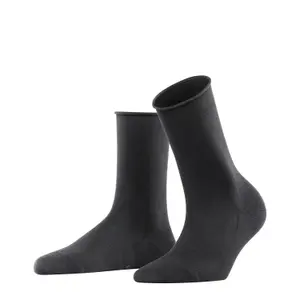
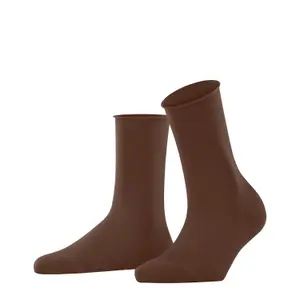
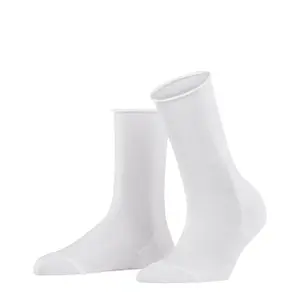
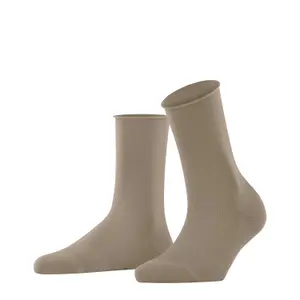
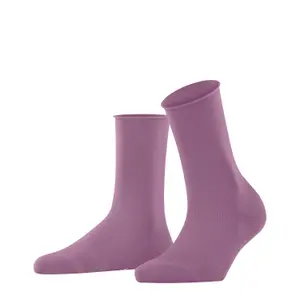

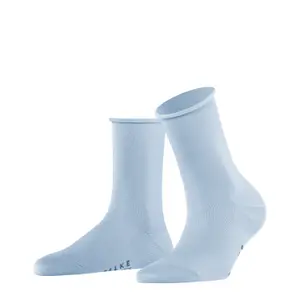
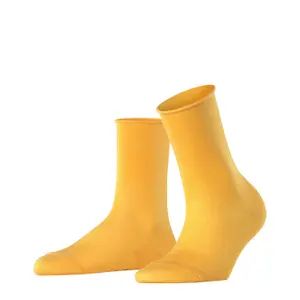
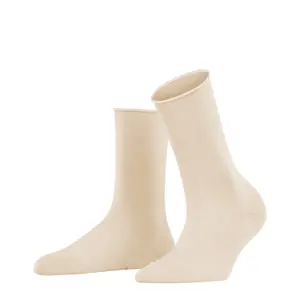
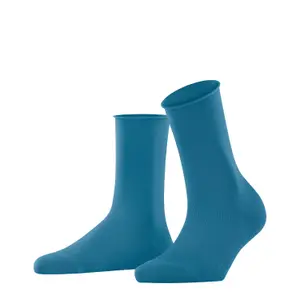
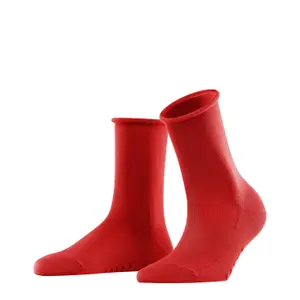
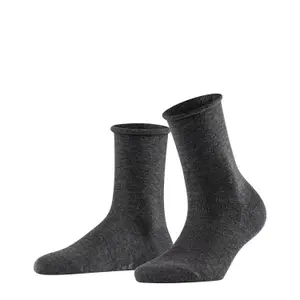
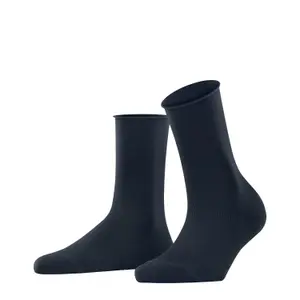
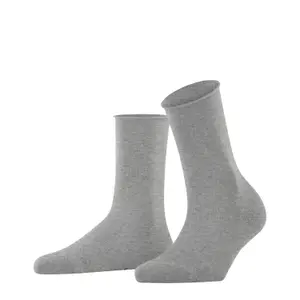
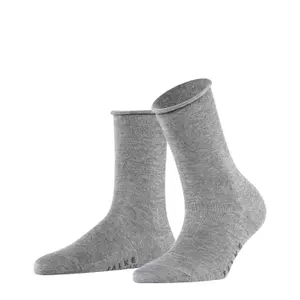
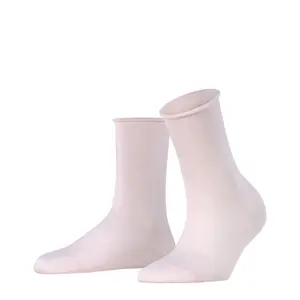
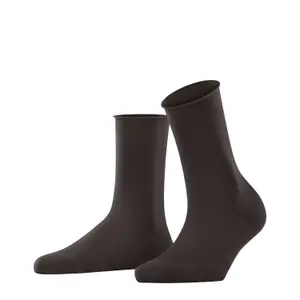
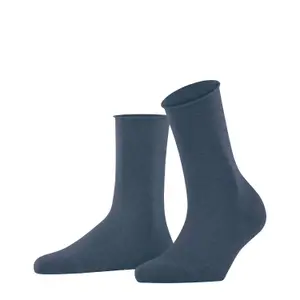
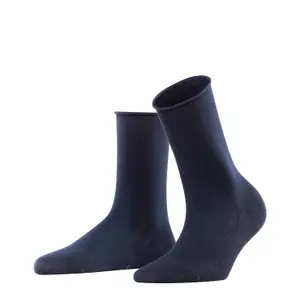
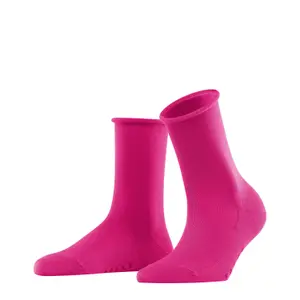
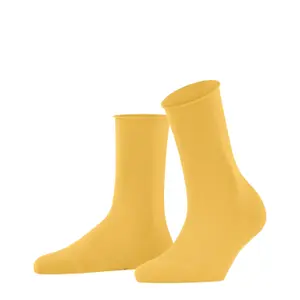
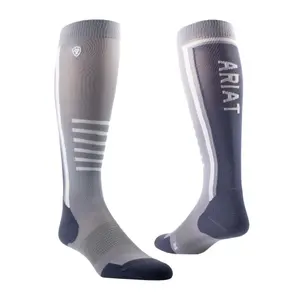


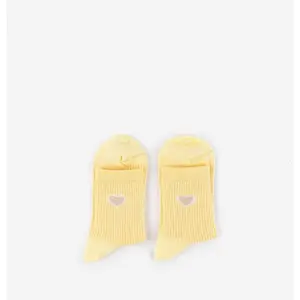

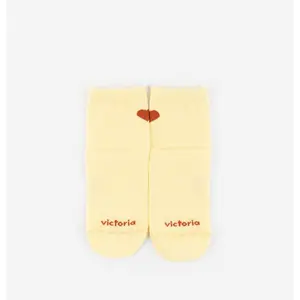
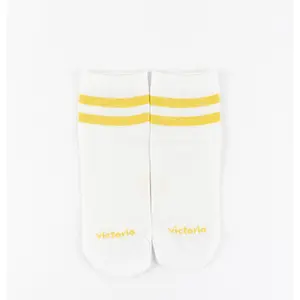
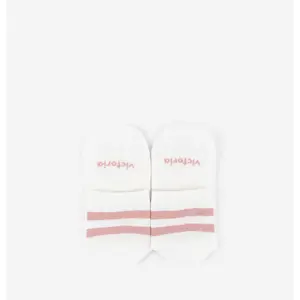
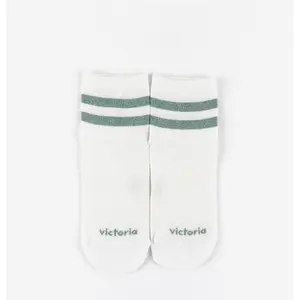
Sheer tights to thermal ones, hold-ups and self-supporting stockings, socks made from combed cotton, merino wool or Scottish yarn: three categories that cover the leg in very different ways.
The types of tights and socks cover the leg in three categories that are chosen differently. The tight, which goes up to the waist and is selected based on the denier. The stocking, which stops at the top of the thigh and stays up with a silicone band or a suspender belt. The socks, which are chosen based on the material and height. There’s even a sock effect tight, which mimics layering without the bulk, along with its variation in high sock effect tights.
Tights or stockings: what really sets them apart
The difference isn’t just about length. A tight stays up by its brief and acts like a one-piece garment, more stable for walking and warmer. A stocking leaves the top half of the body free, making it more comfortable in heated indoor spaces and on larger sizes, where a tight compresses the belly. So the choice depends on the season and comfort as much as style.
Socks, a category of their own
Unlike the other two, socks are not chosen based on thickness measured in deniers but on the material, such as combed cotton, merino wool, or Scottish yarn, and on the height, from invisible ankle socks to mid-calf. These two criteria, rather than the pattern, really distinguish the types of tights and socks in everyday life. A women's fancy sock follows the same rules.
The three categories of tights and socks
Women’s tights are selected based on the denier, from sheer transparent to winter fleece tights. Stockings and hold-ups stop at the top of the thigh and stay up on their own with a silicone band, or with a suspender belt for classic models. Women’s socks, on the other hand, are not measured in deniers but based on the material and height, from invisible ankle socks to mid-calf.