Menstrual knickers: choose the right absorbency


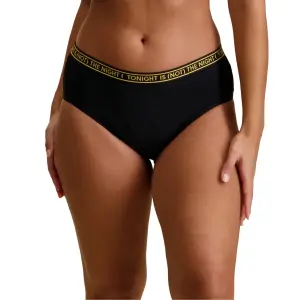
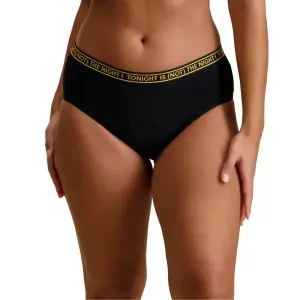
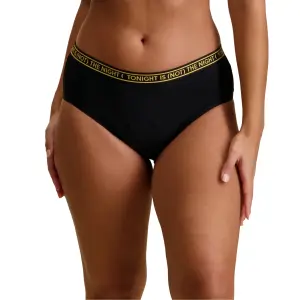
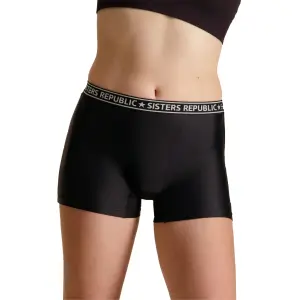
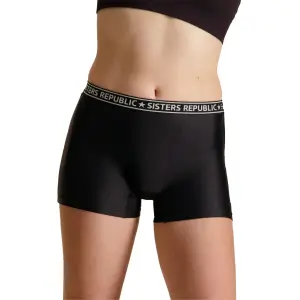
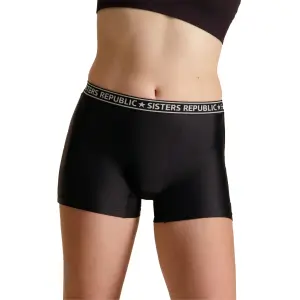
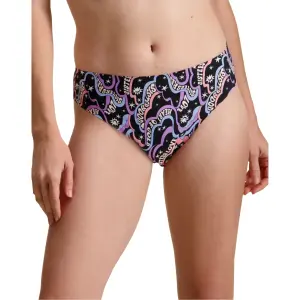
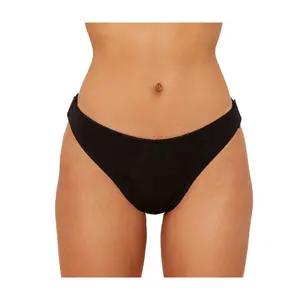
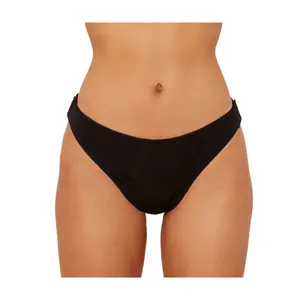
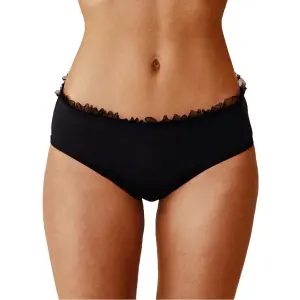
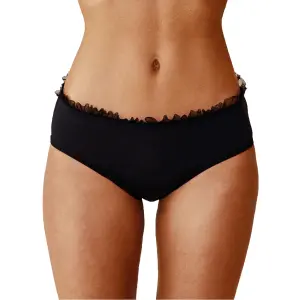
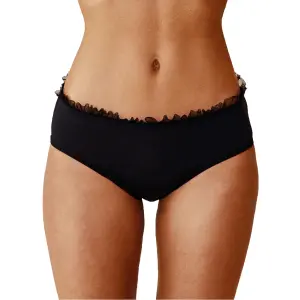
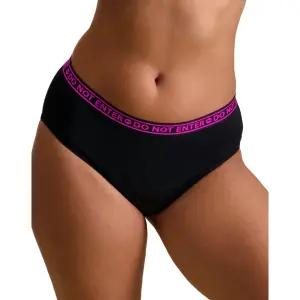
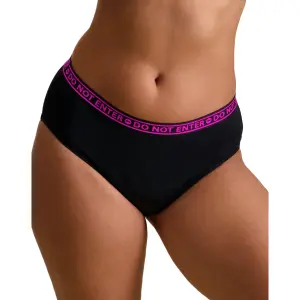
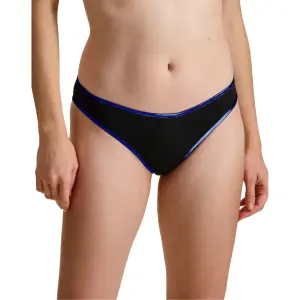
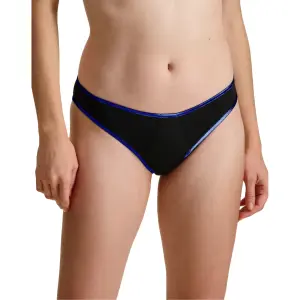
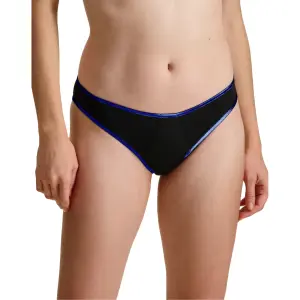
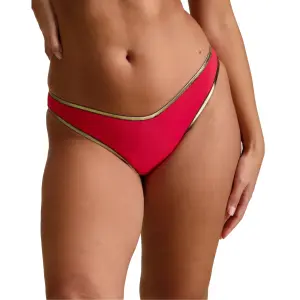
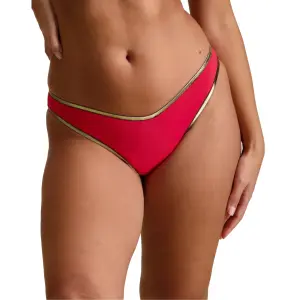
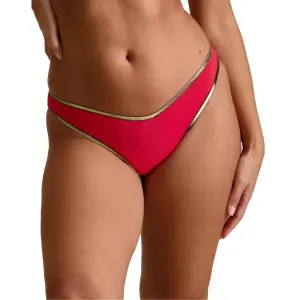
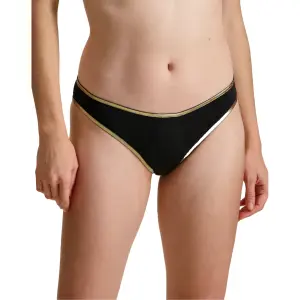
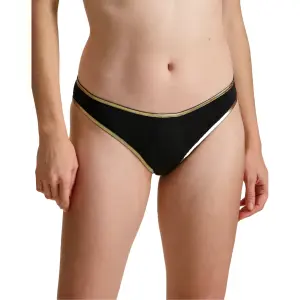
Menstrual panties for light, medium, or heavy flow, night model with enhanced absorption, high waist cut, shorty or thong: washable protections that replace or complement disposable protections.
A menstrual panty has three layers in the crotch area: a contact layer that allows liquid to pass through while staying dry to the touch, an absorbent layer that retains the liquid, and a waterproof membrane that prevents leaks. It is the thickness of the absorbent layer, and it alone, that defines the advertised flow level.
What absorption level to choose for a menstrual panty
Manufacturers express absorption in tampon equivalents, which provides a concrete reference. A light flow menstrual panty absorbs the equivalent of one to two tampons: it is suitable for the end of the cycle, spotting days, and as a complement to a cup. The medium flow, two to three tampons, covers an ordinary day with a mid-cycle change. The heavy flow menstrual panty, four tampons and more, lasts a full day or a night. Night models add an absorbent area raised at the back, essential when lying down.
How many menstrual panties do you need
The calculation depends on your washing routine. For a five-day cycle with two changes daily and a wash in between, five to six pieces are enough. If you only wash at the end of the cycle, count eight to ten. Many start with two or three pieces for medium flow to test comfort before equipping for the whole cycle, which is a reasonable approach given the unit price.
How to wash a menstrual panty
Three rules determine longevity. Rinse in cold water immediately after removal, as hot water sets the proteins from blood in the fibre. Then wash in the machine at 30 degrees, in a mesh bag, with a detergent without bleaching agents. And most importantly, never use fabric softener or a tumble dryer: the former clogs the absorbent fibres, and the latter damages the waterproof membrane. With proper care, a menstrual panty can last several years.
What style of menstrual panty to wear
The high-waisted menstrual panty is the most popular because it offers the largest absorbent surface and doesn't compress the belly during your period. The shorty offers good coverage and stays in place under a skirt. The menstrual tanga is available, only in light flow, for the end of the cycle under fitted clothing.
How a menstrual panty works and how long to wear it
The principle can be summed up in one sentence: the liquid passes through the contact layer, which stays dry to the touch, is absorbed in the absorbent layer, and doesn't escape thanks to the membrane. Nothing flows out until the capacity is reached.
Over time, manufacturers agree on a maximum time of twelve hours, but this is a hygiene maximum, not a capacity: beyond that, stagnation becomes an issue, not saturation. In practice, expect four to six hours for heavy flow, eight to twelve for light flow, or a night with a model designed for it. Two signs indicate it’s time to change before the hour is up: a feeling of dampness on contact and a noticeable heaviness in the crotch. The most reliable reference remains the first cycle: note your usual change times with your protections, the menstrual panty follows roughly the same rhythm.